
Last updated September 10, 2026
Full 25-point door and opener safety check with every visit - springs, cables, rollers, tracks, and your LiftMaster or Chamberlain opener included
You get a price before we start. It does not change when the truck arrives.
 Before
 After
After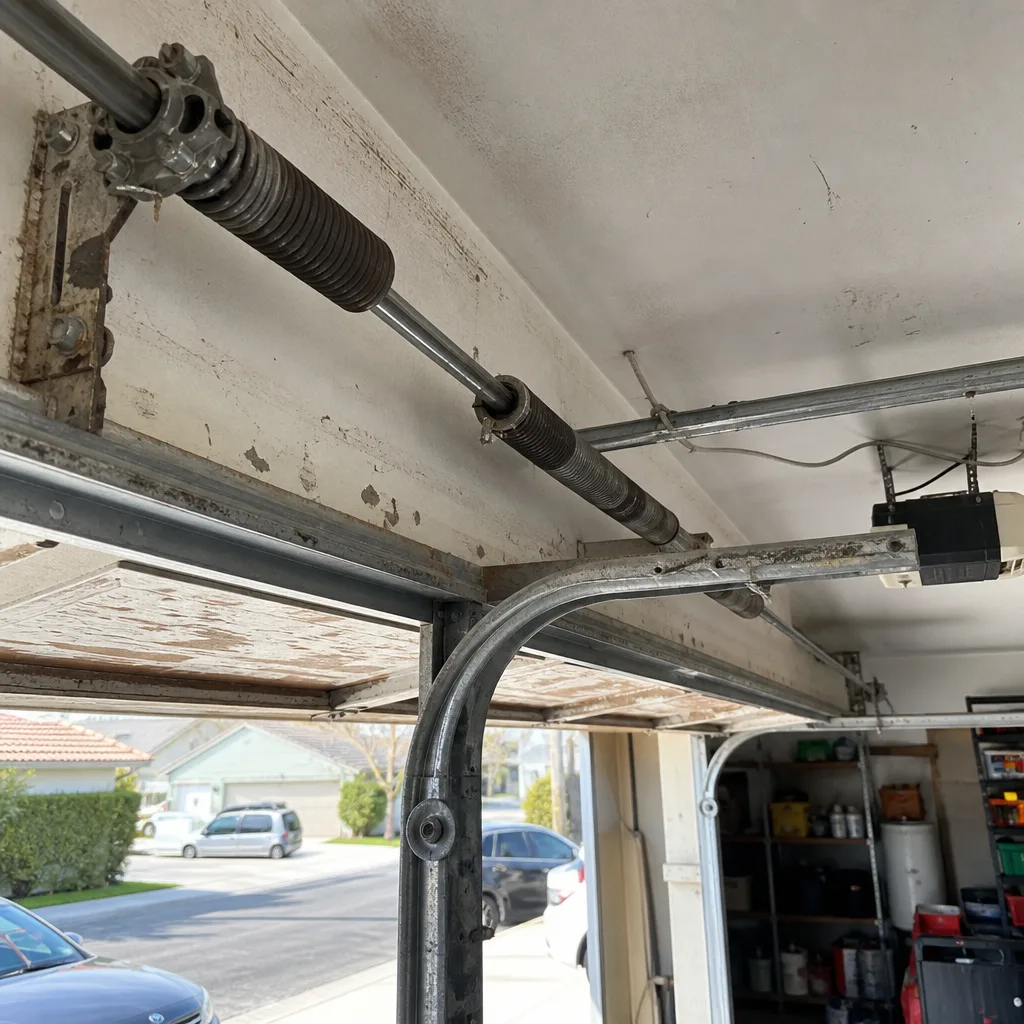 Before
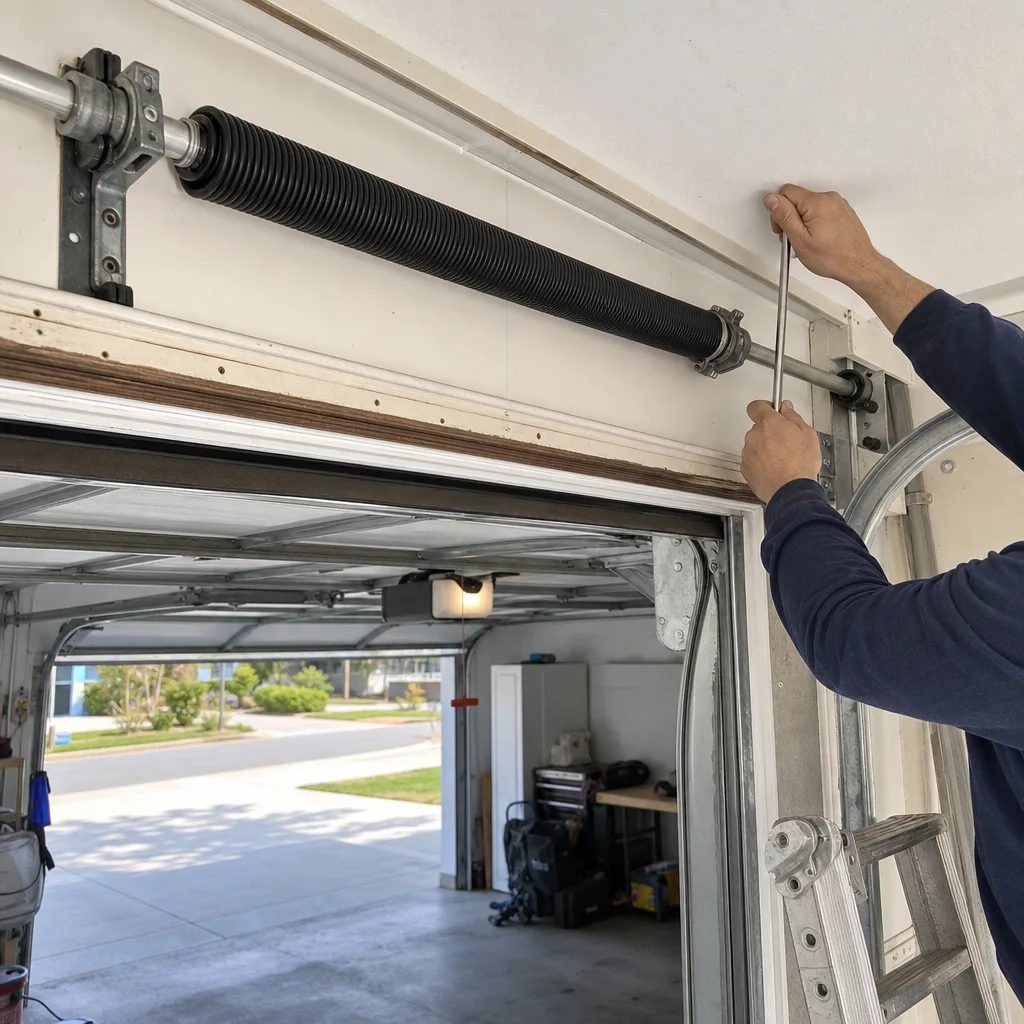 After
After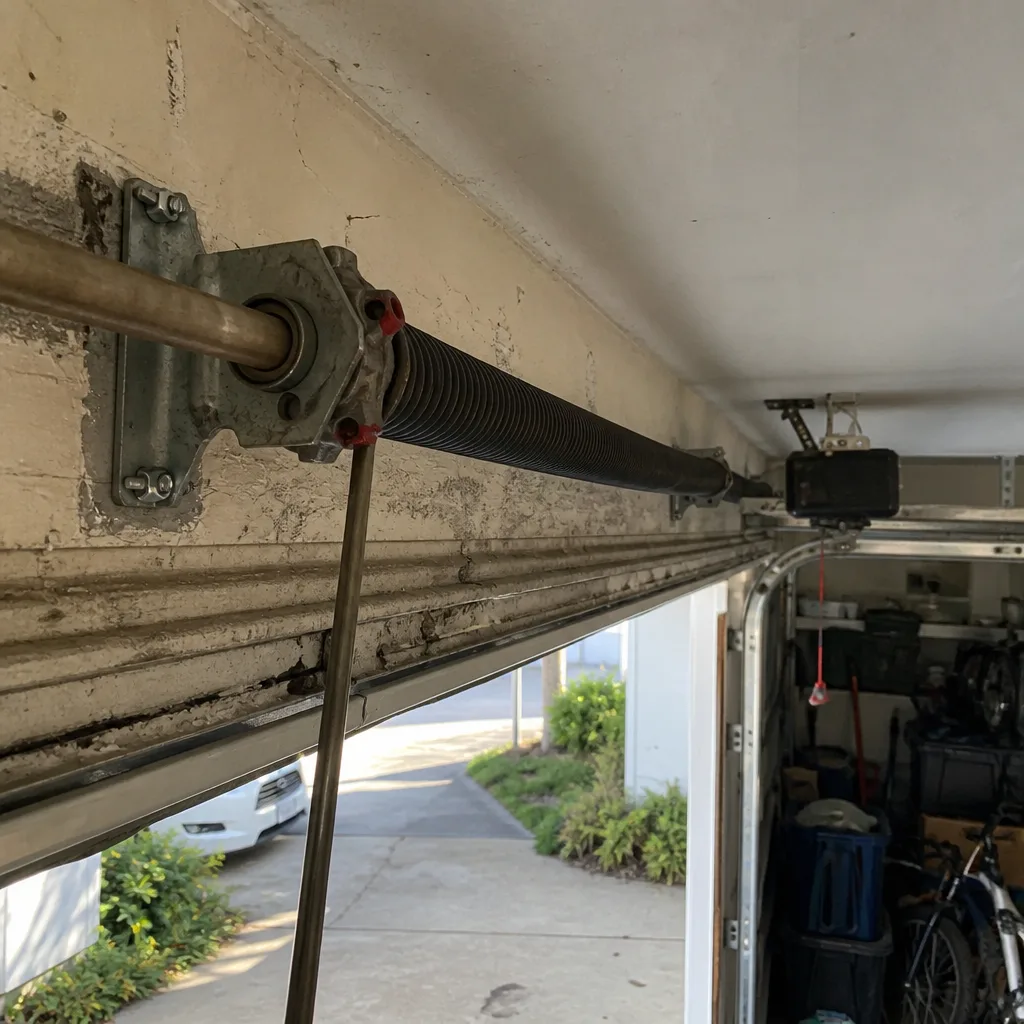 Before
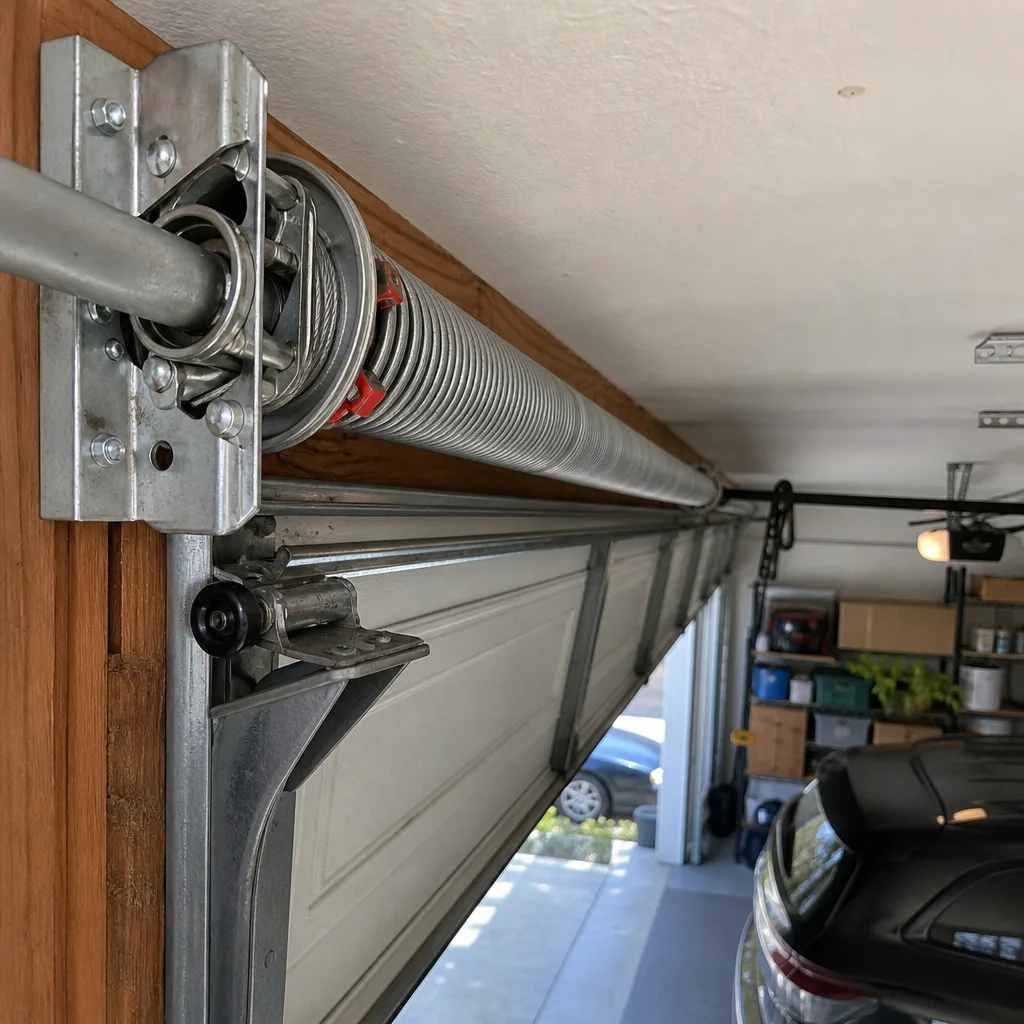 After
AfterGarage Door Permits, Codes & Inspections in CA: What You Need to Know
Here’s the fact that stops most homeowners cold: a garage door replacement that goes unpermitted in California doesn’t just risk a city citation - it can legally void a homeowner’s insurance claim if the door or its opener is involved in a subsequent fire or injury. We’ve been called to Newport Beach homes where a simple panel swap done without paperwork turned into a $12,000 headache at closing, because the buyer’s inspector flagged a non-compliant fire-rated door assembly. This guide maps exactly when permits are required, what California inspectors actually check, and how to protect your property value, with garage door warning signs every Newport Beach homeowner should know covered throughout. If you own a home in Orange County and plan to sell it someday, what follows could save you thousands.
Quick Answer
In California, a garage door permit is required whenever you alter the structural opening, change the header, install a new door on a fire-rated wall, or replace an opener with a model that lacks current UL 325 safety certification. A like-for-like swap of a non-fire-rated door on an existing opening typically does not need a permit, though Newport Beach and many Orange County cities still require registration or HOA approval. Always verify with your local Community Development Department before work begins.
Table of Contents
- When Is a Garage Door Permit Required in California?
- California Building Code Section 1006 and UL 325: What Inspectors Actually Check
- How to Pull a Permit in Newport Beach: Timeline, Cost, and Inspection Steps
- The HOA Approval Layer in Newport Beach Neighborhoods Like Pelican Crest
- What Happens When an Unpermitted Garage Door Shows Up at Sale Time
- How Unpermitted Work Can Void Your Homeowner’s Insurance
- Garage Door Opener Permits and Electrical Code in California
- Common Mistakes to Avoid
- When to Call a Professional
- Frequently Asked Questions
- The Bottom Line
When Is a Garage Door Permit Required in California?
Most homeowners in Newport Beach assume that swapping an old garage door for a new one falls under “cosmetic” work. That assumption is often wrong. California’s building code draws a sharp line between maintenance and modification, and crossing it without paperwork creates liability that sits with the property, not the contractor - which is why our Garage Door Repair Maintenance Checklist for Newport Beach Homeowners emphasizes documenting every project.
A permit is legally required when any of the following apply:
- You are creating a new garage door opening where none existed before
- You are widening, narrowing, or otherwise altering the structural opening dimensions
- You are replacing or modifying the structural header above the door
- The garage shares a wall with the living space and the door sits on a fire-rated assembly
- You are converting from a single door to a double door, or vice versa
- The replacement door has a different wind-load rating than the original
- You are installing a new garage door opener or replacing one with a different electrical draw
A permit is typically NOT required when:
- You are performing a direct like-for-like replacement of a non-fire-rated door on an existing opening
- The header, jambs, and opening dimensions remain unchanged
- No electrical work is performed on the opener
- The door is not on a fire-rated or property-line wall
Even in these “no permit” scenarios, Newport Beach requires that the work comply with current code. We’ve seen homeowners in the Harbor View Hills area install a beautiful new Clopay door, only to learn that the model they chose no longer met the city’s updated wind-load requirements for coastal exposure. The door had to come back down. A five-minute phone call to Newport Beach Community Development would have prevented the loss.
Orange County’s coastal climate adds another variable. The salt air accelerates corrosion on lower-grade hardware, which is why Newport Beach amended its enforcement of wind-load and corrosion-resistance standards. Inspectors here look closely at track gauge, roller material, and jamb connection details that inland inspectors might pass over. If you’re replacing a door that failed after fifteen years of coastal exposure, the replacement needs to be built for this environment, not just this opening.
California Building Code Section 1006 and UL 325: What Inspectors Actually Check
Contractors often tell homeowners that a garage door “just needs to go up and down safely.” Inspectors in California are trained to a different standard. Two codes dominate every garage door inspection in this state: CBC Section 1006, which governs means of egress and fire separation, and UL 325, the safety standard for door, drapery, gate, louvre, and window operators and systems.
What CBC Section 1006 actually requires:
Section 1006 addresses whether your garage door counts as an exit path and how it separates garage space from living space. In attached garages, this is where most permits become non-negotiable. The inspector will verify:
- Fire-rated assembly integrity. If the garage wall shared with the house is fire-rated, any door on that wall must maintain the wall’s fire-resistance rating. Standard steel panels with a 20-minute label are typical, but the inspector checks the entire assembly: frame, hardware, and threshold seal. A gap at the bottom or a missing intumescent seal fails the inspection.
- Egress path clearance. The door must open to a clear, unobstructed path. In Newport Beach’s older Balboa Peninsula cottages, we’ve seen inspectors fail jobs because a new, thicker door panel reduced the effective opening width below code minimum.
- Threshold height and drainage. California requires that garage floor slabs slope away from the house or toward a drain. A new door with a different bottom seal profile can trap water against the foundation, which is a Section 1006-related failure in flood-prone zones.
What UL 325 certification means in practice:
UL 325 is where most opener replacements trigger permit requirements. The standard has been revised multiple times, most significantly in 2018 and 2023, and California adopted the latest revision quickly. An opener manufactured before 2018 almost certainly lacks current UL 325 certification, even if it still runs.
Inspectors check for four specific UL 325 requirements:
- Photoelectric eyes (non-contact sensors) mounted no higher than 6 inches above the floor
- A constant-pressure close button for commercial applications, or automatic reverse for residential
- Force and speed limits that prevent entrapment
- Manual release mechanism that functions without tools
We carry LiftMaster, Chamberlain, and Genie openers that meet current UL 325 standards on every truck, because we’ve arrived at too many Newport Beach homes where the homeowner bought a “deal” online and discovered it couldn’t pass inspection. The $80 savings became a $200 re-installation plus permit delay.
One detail competitors rarely mention: California inspectors now verify that the opener’s entrapment protection is integrated, not added on. Aftermarket sensor kits bolted to an old opener fail. The opener must be certified as a complete system. We’ve replaced three such setups in Corona del Mar this year alone.
How to Pull a Permit in Newport Beach: Timeline, Cost, and Inspection Steps
Newport Beach processes residential garage door permits through the Community Development Department at City Hall on Civic Center Drive. The process is straightforward if you prepare correctly, and punitive if you don’t. Here’s exactly how it works.
Step 1: Determine permit type
Most residential garage door projects fall under a “Combination Permit” (structural and electrical) or a simple “Replacement Permit” for like-for-like swaps. Call (949) 325-2601 or use the online permit portal to confirm which applies. Have your address, project scope, and contractor license number ready.
Step 2: Submit application and documentation
Required documents include:
- Completed permit application (available online or in person)
- Site plan showing the garage location on the property
- Door specifications: manufacturer, model, size, wind-load rating, and fire rating if applicable
- Opener specifications: manufacturer, model, and UL 325 certification documentation
- Contractor’s state license (C-61/D-28 for garage door contractors, or C-36 for work involving structural modification)
- Homeowner’s signature if acting as owner-builder (not recommended for door work involving springs or electrical)
Step 3: Pay fees and receive permit
As of 2024, Newport Beach charges a base permit fee of approximately $180-$340 for residential garage door projects, plus plan check fees if structural review is required. Electrical-only permits for opener replacement run lower, around $85-$150. Fees scale with project valuation. The city accepts payment online or in person.
Step 4: Schedule inspections
Most projects require two inspections:
- Rough inspection. For new openings or structural modifications, this occurs before drywall or finish materials cover the framing. The inspector verifies header size, jack stud placement, and fastening schedule. Skip this step and you’ll open walls for re-inspection at your expense.
- Final inspection. Occurs after installation is complete. The inspector operates the door through full cycles, checks safety reverses, measures photoelectric eye height, verifies fire-labels on rated assemblies, and confirms electrical connections are covered by an approved plate or enclosure.
Inspection scheduling is done through the city’s online system or by calling (949) 325-2601. Typical availability is 2-4 business days out. Newport Beach inspectors are thorough but fair; they want the work done right, not done twice. We’ve found that having the manufacturer’s installation manual on-site, open to the relevant pages, speeds inspection by fifteen minutes or more.
One Newport Beach-specific note: the city’s coastal zone overlay triggers additional review for properties west of Pacific Coast Highway. If your home is in this zone, permit processing adds 5-10 business days for environmental compliance check. Plan accordingly if you’re scheduling around a sale or refinance.
The HOA Approval Layer in Newport Beach Neighborhoods Like Pelican Crest
City permits are only half the battle in Newport Beach. Many neighborhoods operate under homeowners associations with design review boards that can reject a door after city approval, or impose fines that exceed the city’s citation schedule.
Pelican Crest, Pelican Hill, and Newport Coast communities are particularly stringent. The Pelican Crest Architectural Committee requires pre-approval for any exterior modification visible from the street, including garage door style, color, window insert pattern, and hardware finish. Their review cycle is 30-45 days. Starting work before approval triggers automatic fines starting at $500 and escalating weekly.
We’ve handled installations in these communities where the homeowner selected a beautiful Wayne Dalton door, pulled the city permit, and scheduled our crew - only to have the HOA reject the color as “insufficiently neutral” for the streetscape. The door went back. The permit went on hold. The homeowner paid for two installations.
The correct sequence for HOA-governed properties:
- Submit HOA architectural application with manufacturer cut sheets and color samples
- Receive written HOA approval before any city permit application
- Pull city permit using HOA-approved specifications (they must match exactly)
- Install only after both approvals are in hand
- Schedule city final inspection
- Submit completion photos to HOA for final sign-off
Some HOAs, including those in Harbor Ridge and Spyglass Hill, also mandate specific brands or require that installers carry minimum liability coverage. We maintain documentation for all major brands - Clopay, Amarr, Wayne Dalton, Craftsman, and others - specifically to satisfy these review processes. Our trucks carry color-matched touch-up kits because even approved colors can be rejected if the finish shows variation from the sample.
The cost of skipping HOA approval in Newport Beach isn’t just fines. It’s the forced removal of non-compliant work, the re-permitting of replacement work, and the legal fees if the HOA places a lien. We’ve seen $3,500 door jobs become $8,000 disputes. The 30-day wait for written approval is the cheapest part of the project.
What Happens When an Unpermitted Garage Door Shows Up at Sale Time
Orange County’s real estate market moves fast, and pre-listing inspections are now standard practice. When an unpermitted garage door replacement surfaces, the transaction doesn’t just slow down - it often renegotiates downward.
Here’s the typical sequence we’ve observed in Newport Beach sales:
A buyer’s inspector notes that the garage door appears newer than the home’s permit history shows. The buyer’s agent requests a permit search from Community Development. No permit is found. The buyer’s lender, if it’s a conventional loan with an appraisal condition, flags the unpermitted work as a potential property condition issue. FHA and VA loans are stricter; unpermitted structural or safety work can kill the loan entirely.
The seller now faces three options, none attractive:
- Retroactive permitting. Apply for a permit after the fact, which requires opening walls to prove structural compliance, plus penalties of 150-300% of the original fee. Timeline: 3-6 weeks.
- Seller credit at closing. Offer a credit, typically $3,000-$7,000 in Newport Beach, for the buyer to handle permitting. This credit comes off the sale price and the seller still discloses the unpermitted work.
- Cash buyer discount. Investors and cash buyers use unpermitted work to justify lower offers, often 2-5% below market. On a $2 million Newport Beach home, that’s $40,000-$100,000.
The cruel irony: the original unpermitted work was probably done well. We’ve opened walls in Lido Isle homes where the header was doubled correctly, the fasteners were proper, the door was a quality Amarr model - but none of it was documented. The city can’t verify what they can’t see. The inspector must assume non-compliance until proven otherwise.
California’s disclosure requirements compound the problem. The Transfer Disclosure Statement specifically asks about room additions, structural modifications, and work performed without permits. A seller who checks “no” and is later found to have known about unpermitted work faces fraud liability. A seller who checks “yes” invites the renegotiation.
We’ve been called to Newport Beach homes specifically to produce documentation - photos, specifications, even affidavits - for work we didn’t perform, trying to help a seller reconstruct a permit history. Sometimes we can help. Often we can’t. The original contractor is out of business, or the homeowner did the work themselves and kept no records.
The protection is simple: permit the work when it’s done, and keep the final inspection card with your property records forever.
How Unpermitted Work Can Void Your Homeowner’s Insurance
This is the risk that keeps claims adjusters awake at night, and that most homeowners never consider until it’s too late.
California insurance policies contain a standard exclusion for losses “resulting from faulty, inadequate, or defective construction, repair, or maintenance.” The interpretation of this exclusion hinges on whether the work was performed in compliance with applicable building codes. A permitted, inspected installation creates a presumption of compliance. An unpermitted installation creates a presumption of defect, which the insurer can use to deny or reduce the claim.
Consider three scenarios we’ve encountered or documented:
Fire spread from garage to living space. An attached garage with a fire-rated door assembly is designed to contain fire for 20 minutes, allowing escape and response time. If the replacement door lacked proper fire rating or the frame wasn’t sealed with intumescent material, fire spreads faster. The insurer investigates, finds no permit, and denies the structural damage portion of the claim as resulting from unpermitted, non-compliant work. The homeowner pays for their own rebuild.
Injury from door or opener failure. A child or visitor is injured when a garage door falls or an opener fails to reverse. The victim’s attorney subpoenas permit records. None exist. The attorney argues that unpermitted installation demonstrates negligence. The homeowner’s insurer may still defend, but they reserve the right to seek reimbursement from the homeowner if the unpermitted work is found to be a contributing cause. The homeowner faces uncovered liability.
Electrical fire from opener installation. An opener is installed without proper circuit protection or junction box. It overheats. The insurer’s fire investigator notes the non-permitted electrical work and the absence of inspection. Claim denied.
We’ve spoken with Newport Beach insurance agents who confirm: they don’t routinely check permits at policy issuance, but they absolutely check after a loss. The permit history becomes evidence in coverage determination. A $300 permit becomes very cheap compared to a $300,000 uncovered loss.
One specific note for Newport Beach’s coastal properties: many homeowners carry windstorm and flood coverage with separate deductibles. Unpermitted garage door work that fails during a storm event - because the door wasn’t rated for the wind load, or the track attachment was inadequate - can trigger both the standard exclusion and the windstorm deductible. The homeowner pays twice.
Garage Door Opener Permits and Electrical Code in California
Opener replacement occupies a gray zone that confuses many homeowners. The device itself is plug-in, so it feels like an appliance swap. In California, it’s often not.
A permit is required for opener replacement when:
- The opener is hardwired rather than plug-in
- New electrical circuitry is added (dedicated circuit, new outlet, wiring extension)
- The opener includes integrated lighting that alters the garage’s electrical load calculation
- The installation is in a fire-rated garage, where the opener’s control wiring must penetrate the fire assembly
Even plug-in openers in Newport Beach frequently trigger permitting because of how they’re mounted. Ceiling joists in garages are often structural members; lag bolts into them may require structural review. Inspectors also verify that the opener’s electrical cord doesn’t create a trip hazard or violate NEC 400.8 (flexible cord uses).
California Electrical Code requirements for openers:
- Ground fault protection. Garage outlets must be GFCI-protected. If your home was built before 2008, the existing garage outlet may not be. The opener installation can’t proceed until it is.
- Dedicated circuit capacity. A ½-horsepower opener draws approximately 6 amps running, 12-15 amps starting. On a 15-amp circuit shared with garage lighting and tools, startup can trip the breaker. Inspectors may require load calculation documentation.
- Junction box and strain relief. Hardwired openers require an accessible junction box with proper cable clamp. Wire nuts buried in drywall fail inspection.
- Disconnecting means within sight. NEC requires a disconnect within sight of the motor for motors over ⅛ horsepower. Most residential openers are below this threshold, but commercial-grade units and some high-lift residential systems are not.
We carry openers from LiftMaster, Chamberlain, and Genie with current UL 325 certification and California Energy Commission compliance documentation. Our technicians are trained to identify when a simple swap becomes a permitted electrical project, and we quote the full scope before starting - no surprise additions when the inspector arrives.
In Newport Beach’s older neighborhoods like Balboa Island and the Peninsula, garage electrical systems often date to the 1960s or 1970s. We’ve found knob-and-tube extensions, ungrounded outlets, and overloaded subpanels. An opener replacement in these conditions requires electrical upgrading that absolutely needs permitting. We flag this in our free estimates so homeowners can plan, not panic.
Common Mistakes to Avoid
- Assuming “like-for-like” means “no permit needed.” In Newport Beach, even a direct replacement can trigger permitting if the original installation predates current wind-load or fire-rating requirements. The door may fit the hole, but not the code.
- Letting the contractor “handle” permits without verifying. We’ve been called to jobs where the previous contractor claimed to have pulled a permit but never did. Always request the permit number and verify it with Community Development before final payment.
- Starting HOA-governed work before written approval. In Pelican Crest and similar communities, verbal approval from a board member isn’t binding. Only written architectural committee sign-off protects you from stop-work orders and fines.
- Buying openers online to save money. The UL 325 certification on the box may be outdated, or the unit may be gray-market with no California warranty. We’ve removed three such units this year that couldn’t pass inspection.
- Ignoring the fire-rating label. A door with a 20-minute fire rating has a permanent metal label. If your old door had one and the new one doesn’t, you’ve degraded the assembly. Inspectors catch this immediately.
- Disposing of permit documentation after “final” inspection. Keep the approved permit, inspection cards, and manufacturer specifications with your property records permanently. Future sellers, insurers, and appraisers may all request them.
- Hiring unlicensed installers for “simple” work. California requires a C-61/D-28 license for garage door installation. Unlicensed work can’t be permitted, and the homeowner assumes all liability for defects or injuries.
When to Call a Professional
Call a licensed garage door contractor when your project involves structural modification, fire-rated assemblies, electrical work, or any uncertainty about permitting requirements - see our guide on how to hire a garage door contractor in Newport Beach for what to verify before signing. The cost of professional guidance is modest compared to the cost of re-work, fines, or uncovered losses.
In Newport Beach, Mainspring Garage Door Co. provides free estimates that include permit requirement assessment. We’ll tell you exactly what your project needs, what it doesn’t, and what it will cost before any work begins. Our technicians arrive with the right parts on the truck, and every completed job is backed by our 90-Day Done Right Promise in writing. Call (949) 325-2601 to schedule.
Frequently Asked Questions
You need a permit if you’re altering the opening size, changing the structural header, installing on a fire-rated wall, or replacing the opener with a non-certified model. A true like-for-like replacement on a non-fire-rated wall typically does not require a permit, though we recommend confirming with Newport Beach Community Development at (949) 325-2601. Call (949) 325-2601 for a free estimate and we’ll assess your specific situation, or browse more guides & resources on protecting your home.
Residential garage door permits in Newport Beach typically range from $180 to $340 for structural work, with electrical-only permits for opener replacement at $85 to $150. Fees increase if plan check or structural engineering review is required. The city accepts payment online or in person. Call (949) 325-2601 for an exact quote on your project - estimates are free.
Simple replacement permits are often issued same-day or within 2-3 business days. Projects requiring structural review or located in the coastal zone add 5-10 business days. Inspection scheduling typically has 2-4 business day availability. Plan for 2-3 weeks total for permitted work in standard zones, 4-6 weeks in coastal areas. Call (949) 325-2601 and we’ll coordinate timing with your schedule.
You’ll likely face buyer demands for a price credit, retroactive permitting with penalties of 150-300% of original fees, or transaction delays while permits are obtained. In Orange County’s disclosure-intensive market, unpermitted work is a known liability that buyers use in negotiation. The cost of retroactive work far exceeds the cost of original permitting. Call (949) 325-2601 if you need documentation assessment before listing.
In Newport Beach neighborhoods with HOAs - including Pelican Crest, Pelican Hill, Newport Coast, Harbor Ridge, and Spyglass Hill - architectural committee approval is typically required before any exterior-visible work. Approval cycles run 30-45 days, and starting work first triggers fines starting at $500. Written approval must precede city permitting. We handle HOA documentation submission as part of our installation service. Call (949) 325-2601 to discuss your community’s requirements.
Probably not, if the unpermitted work contributed to the loss. California policies exclude losses from “faulty, inadequate, or defective construction,” and unpermitted work creates a presumption of defect. We’ve documented cases where fire spread and injury claims were denied or reduced specifically because garage door work lacked permits and inspection. A $300 permit protects against $300,000 in uncovered exposure. Call (949) 325-2601 to ensure your installation is properly documented.
California homeowners can pull permits as owner-builders, but this is not recommended for garage door work involving springs under high tension, electrical connections, or structural modification. As owner-builder, you assume all liability and warranty responsibility. A licensed contractor’s permit carries their insurance and bond backing. We pull permits for all our Newport Beach installations and include the documentation in your final packet. Call (949) 325-2601 and we’ll handle the paperwork.
The Bottom Line
California garage door permitting isn’t bureaucracy for its own sake. It’s a documentation system that protects your property value, your insurance coverage, and your liability exposure. The homeowners who suffer are rarely the ones who paid for permits they didn’t strictly need. They’re the ones who skipped permits they did need, and discovered the gap years later at the worst possible moment.
In Newport Beach, the layered requirements of city code, coastal zone review, and HOA governance make professional guidance particularly valuable. The right sequence - HOA approval first, city permit second, installation third, documentation permanent - prevents the costly reversals we’ve seen too many times.
At Mainspring Garage Door Co., we state the full scope and price before any work begins, pull permits when required, and leave you with written documentation of a job done right. That’s how we’ve operated since 1984, and that’s the square deal we offer every homeowner in Newport Beach.
Written by Carl Dutton, Owner at Mainspring Garage Door Co., serving Newport Beach since 2016.